Why Precision Machining Is the Real Fix for Repeated Industrial Engine Repair in Edmonton
You replaced the bearings. You had the heads resurfaced. Maybe you even swapped in a new set of liners. And six months later, the same engine is back on the shop floor with the same failure. If that cycle sounds familiar, you are not alone.
Repeat engine failures are one of the most common frustrations for operators running heavy equipment in Alberta. The engine gets repaired, it goes back into service, and then the same problem reappears well before the next scheduled maintenance window. The downtime adds up fast, especially when your equipment is tied to production schedules in industries like mining, oil and gas, or road construction.
More often than not, the issue is not the replacement parts themselves. It is the dimensional condition of the components those parts are installed into. That is where precision machining comes in, and it is the difference between a repair that holds and one that keeps coming back.
What Causes Repeated Industrial Engine Failures
When a diesel engine fails and gets repaired, the focus tends to land on whichever part broke. A spun bearing, a cracked liner, a blown head gasket. Replacing the damaged component makes sense as a first step. But in industrial applications, the forces involved are severe enough that the failure itself often changes the geometry of the surrounding components.
A bearing failure, for instance, can distort the housing bore it sits in. A liner failure can shift counterbore depth. A head gasket blowout can warp the deck surface. If those dimensional changes are not identified and corrected before new parts go in, the replacement components are starting life in a compromised environment. They wear unevenly, run hotter than they should, and fail earlier than expected.
This is especially true for engines operating in demanding Alberta conditions. Equipment running long hours in extreme cold, hauling heavy loads on remote job sites, or powering continuous operations does not give marginal tolerances room to survive. Every thousandth of an inch matters.
How Precision Machining Solves What Parts Replacement Cannot
Precision machining addresses the root cause of repeat failures by restoring critical engine dimensions to original equipment specifications. Rather than just installing new parts into existing bores and surfaces, a proper machining approach checks and corrects every mating surface so those parts can function the way they were designed to.
The types of corrections involved depend on the engine and the failure, but the principle is consistent across the board:
- Bore geometry gets checked for taper and out-of-round conditions. A cylinder that looks fine visually can be several thousandths off-spec in ways that cause uneven ring sealing and accelerated wear.
- Deck surfaces get measured for flatness and finish profile. Modern head gaskets require specific surface finishes to seal properly. Too smooth or too rough, and the gasket is working against the surface instead of with it.
- Housing bores for bearings get inspected for distortion. If a main bore or rod bore is no longer round after a failure, new bearings will not carry the load evenly no matter how precisely they are manufactured.
- Counterbore depths and liner fits get measured for uniformity. Even small inconsistencies across cylinders can create uneven clamping loads that lead to seal failures and coolant leaks.
None of these corrections happen at an assembly bench. They require dedicated machining equipment and the experience to interpret what the measurements are actually telling you.
The Five Engine Components Where Our Edmonton Engine Machine Shop Make the Biggest Difference
Industrial diesel engines are complex assemblies, but most repeat failures trace back to problems in a handful of core components. These are the same five components that a well-equipped engine machine shop in Edmonton will focus its inspection and machining work on.
Engine Blocks and Cylinder Bores
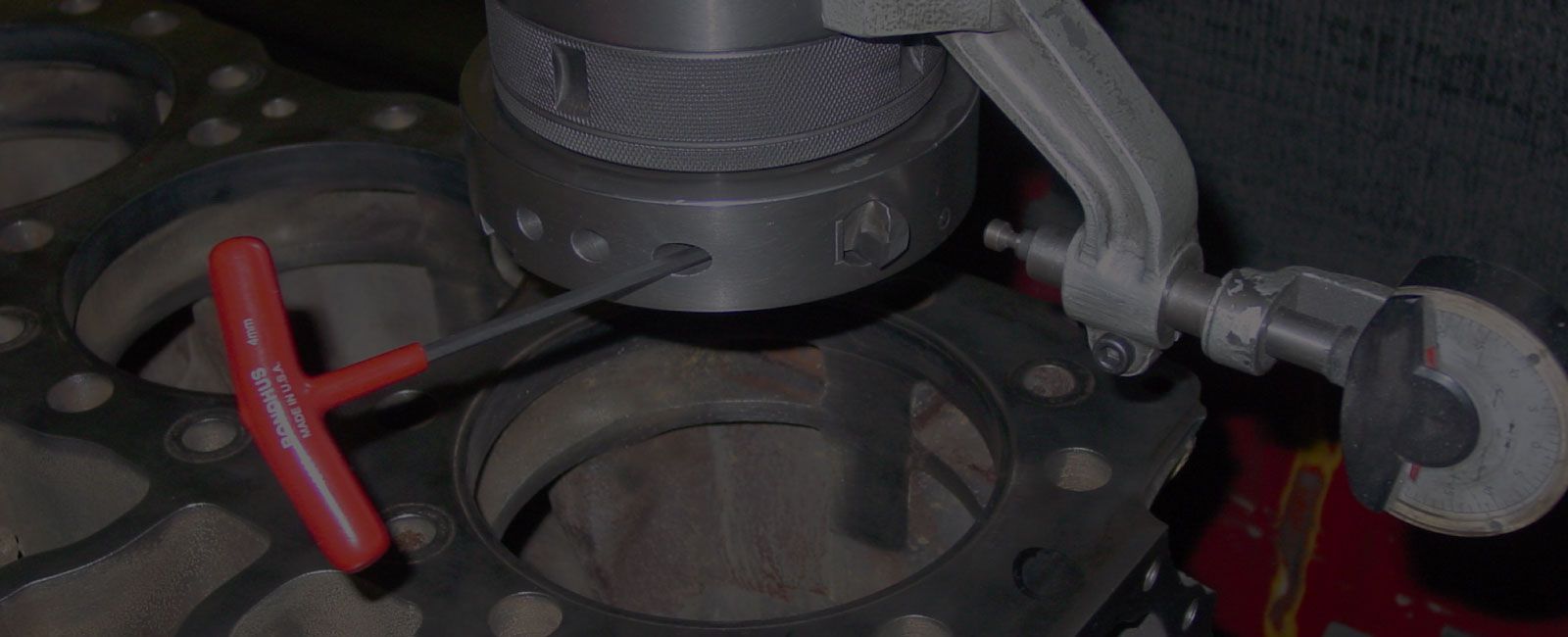
The engine block is the foundation. If bore geometry is off, nothing assembled into it will perform correctly. Machining services for blocks include boring, honing, re-sleeving, lifter bore replacement, and specialty repairs. A proper inspection checks for cracks, dimensional drift, and surface condition before any machining begins.
Crankshafts
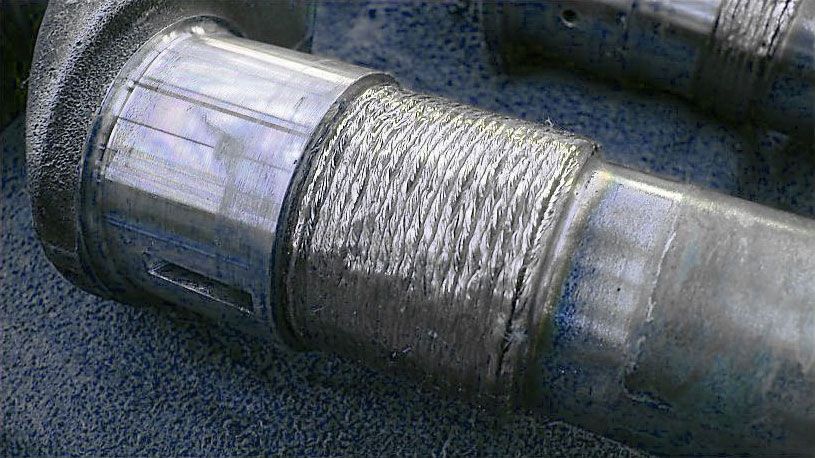
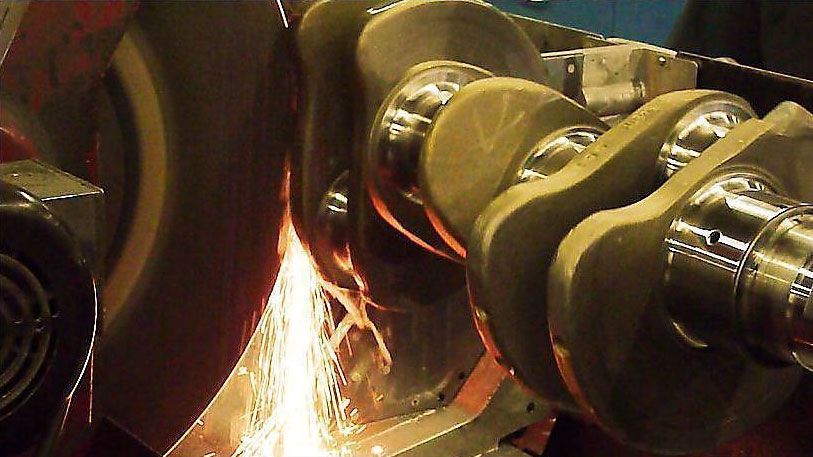
Crankshaft journals wear over time, and a failure event can score or distort them further. Grinding and polishing journals back to OEM specifications restores proper oil film clearance and bearing contact. Industrial crankshafts can be substantial, with some measuring over 100 inches in length, so the equipment doing this work needs to match the scale.
Cylinder Heads
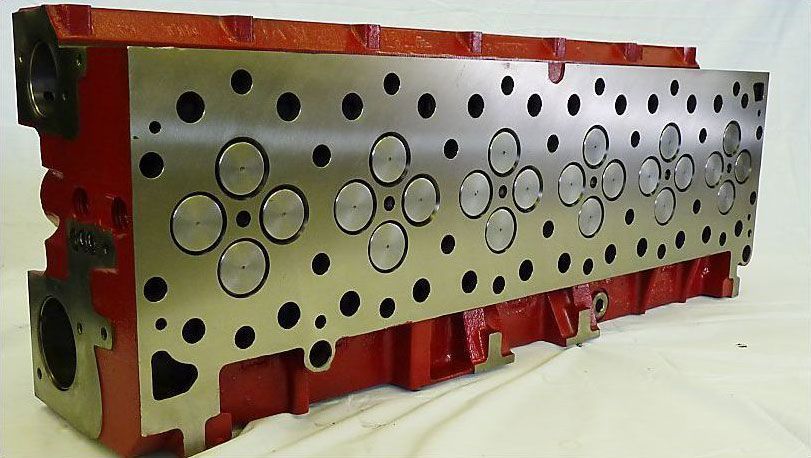
A cylinder head rebuild goes beyond resurfacing. A thorough process includes hot tanking for cleaning, Magnaflux inspection for cracks, and pressure testing before any machining or reassembly begins. Cracked heads can often be repaired through welding or stitching rather than replaced entirely, which saves significant cost on industrial-scale components.
Camshafts
Worn cam lobes change valve timing and lift, which affects combustion efficiency and can contribute to other component failures over time. Reconditioning a camshaft to the correct profile requires matching it against a master template. Shops with extensive template libraries can service a much wider range of engine models and applications.
Connecting Rods
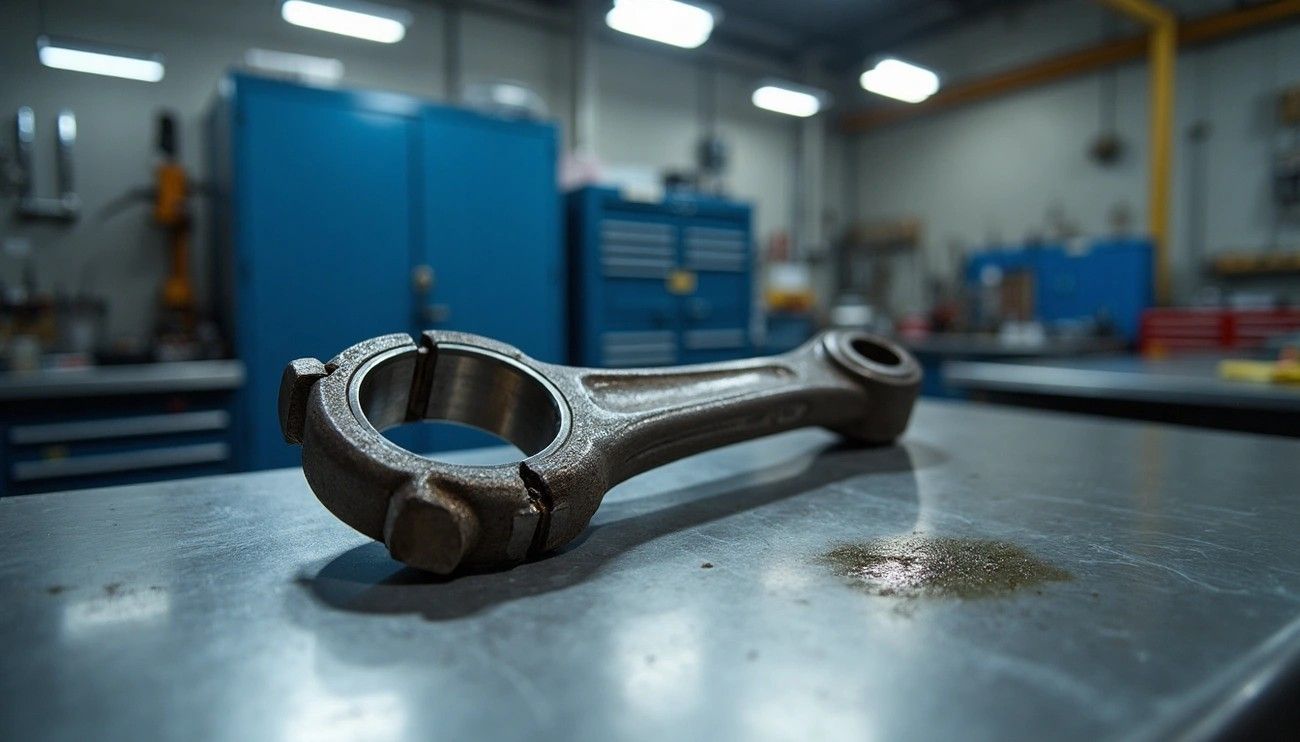
Connecting rods endure enormous cyclic loads, and even subtle distortion affects the bearing interface and piston alignment. Inspection and reconditioning of the big end and small end bores ensures proper geometry before the rod goes back into service.
Why Finding the Best Engine Rebuilders in Edmonton Matters for Your Bottom Line
The financial argument for precision machining is straightforward. An engine that gets repaired correctly the first time stays in service longer, which means your equipment is earning instead of sitting in a shop.
For operations in industries like oil and gas, mining, forestry, agriculture, or road construction, unplanned downtime is one of the largest controllable costs. Every day a piece of equipment is out of service is a day of lost production, plus the direct cost of another repair cycle. When an engine comes back with the same failure it had three or six months ago, you are paying twice for a problem that should have been solved once.
The best engine rebuilders in Edmonton are the ones who treat the machining stage as the most important part of the rebuild, not an optional add-on. That means measuring before disassembly, measuring after machining, and only assembling once every dimension checks out. The upfront cost of a proper machining job is almost always less than the accumulated cost of repeat repairs and the downtime that comes with them.
Experience matters here, too. Shops that have been doing this work across a wide range of engine platforms develop an eye for patterns that newer operations might miss. A team with decades of combined experience has likely seen your specific failure mode before and knows exactly which dimensions to check first.
Get Industrial Engine Repair in Edmonton That Holds Up the First Time
If you are dealing with an engine that keeps failing after repair, the underlying problem is likely dimensional. And dimensional problems only get solved with proper machining, not with another round of parts replacement.
The Weldangrind Group has been providing industrial engine machining services in Edmonton since 1960. Our team has over 150 years of combined experience reconditioning engine blocks, crankshafts, cylinder heads, camshafts, and connecting rods for clients across Alberta and western Canada. We work with operators in transportation, agriculture, oil and gas, mining, forestry, road construction, and other commercial industries.
Give us a call at 780-484-3030 or reach out through our website to discuss your engine. We are always happy to talk through what is going on with a problem engine and help you figure out the right path forward.
A few months from now, that engine should be running at full output on the same rebuild, not sitting on the shop floor waiting for another teardown. That is the outcome precision machining is built to deliver.